Expansion Joints
Piping systems expand and contract with temperature changes and vibrate under load. Without a way to absorb that movement, stress accumulates and components fail. Expansion joints flex to accommodate axial, lateral, and angular movement while keeping the system sealed. The right joint protects flanges, anchors, and connected equipment from forces that rigid pipe cannot handle.
Shop Expansion Joints Online
Can't find the right piece?
Find out about our consulting and custom fabrication services.
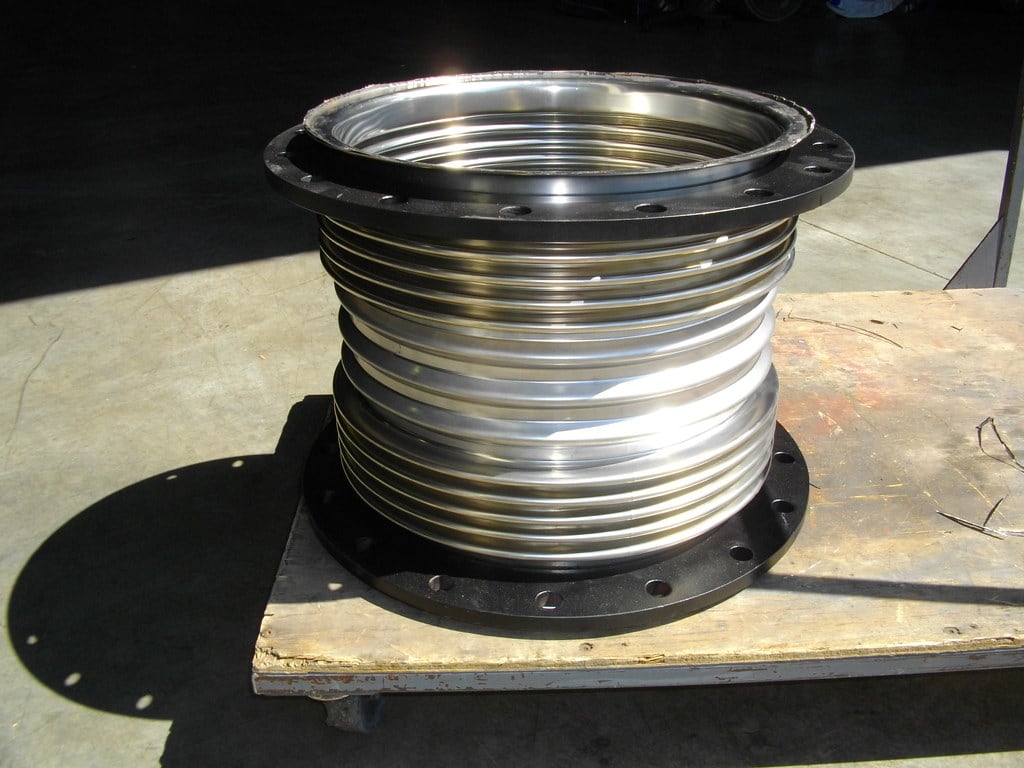
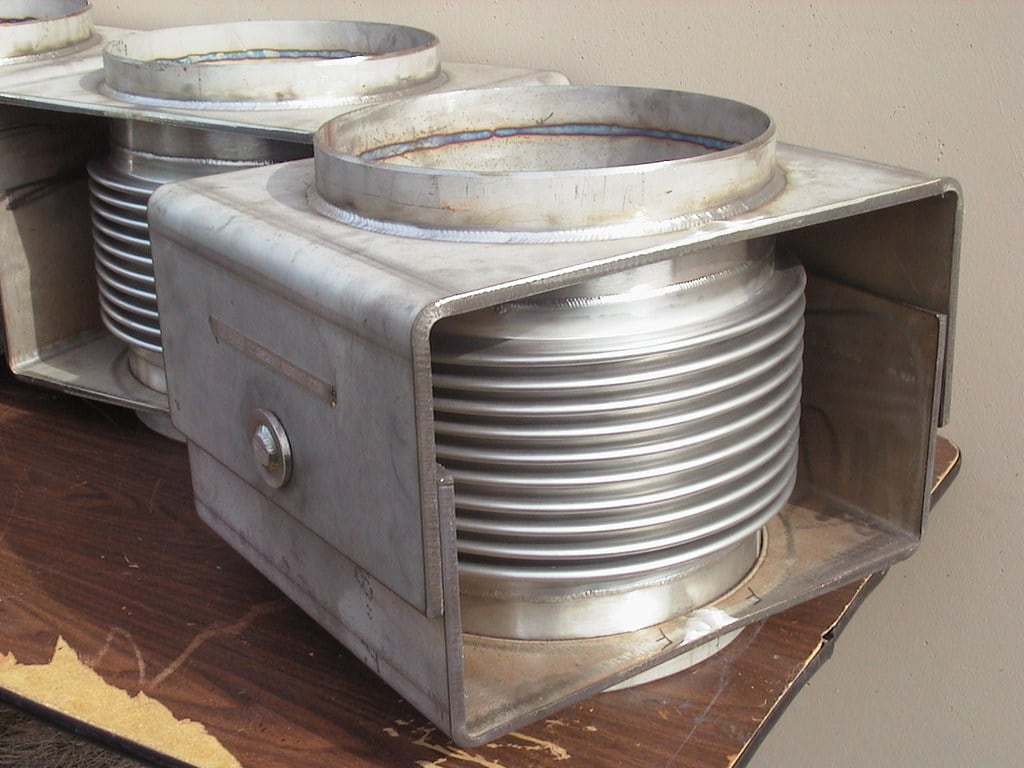
Custom DesignMetal Bellows Expansion Joints

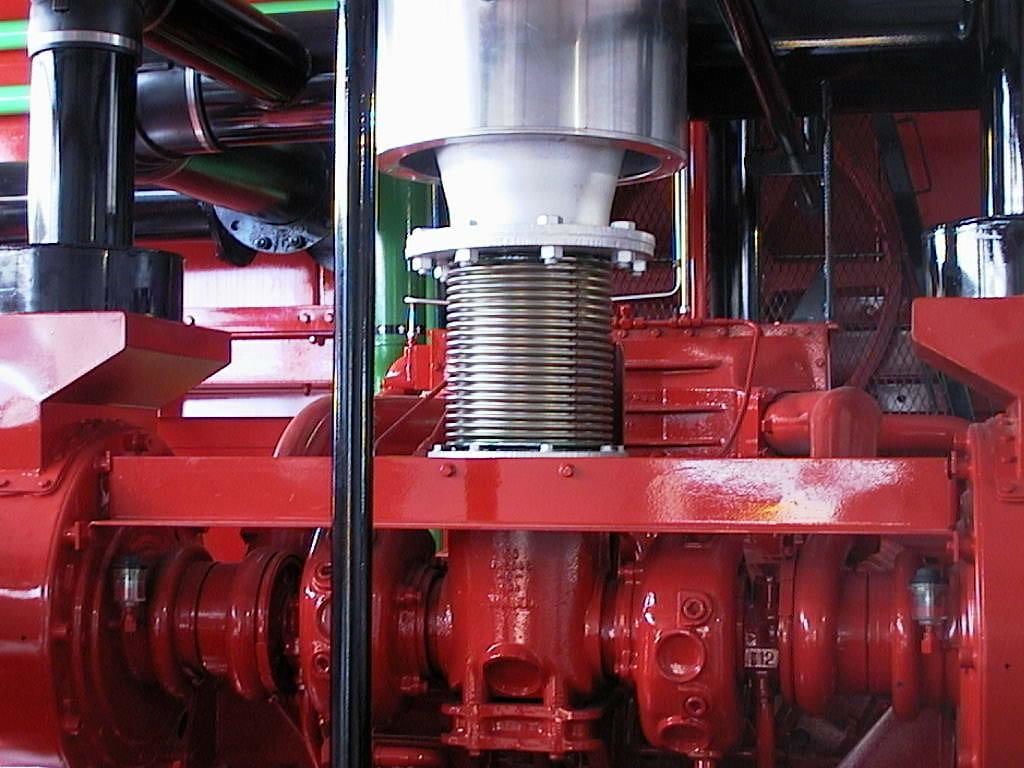
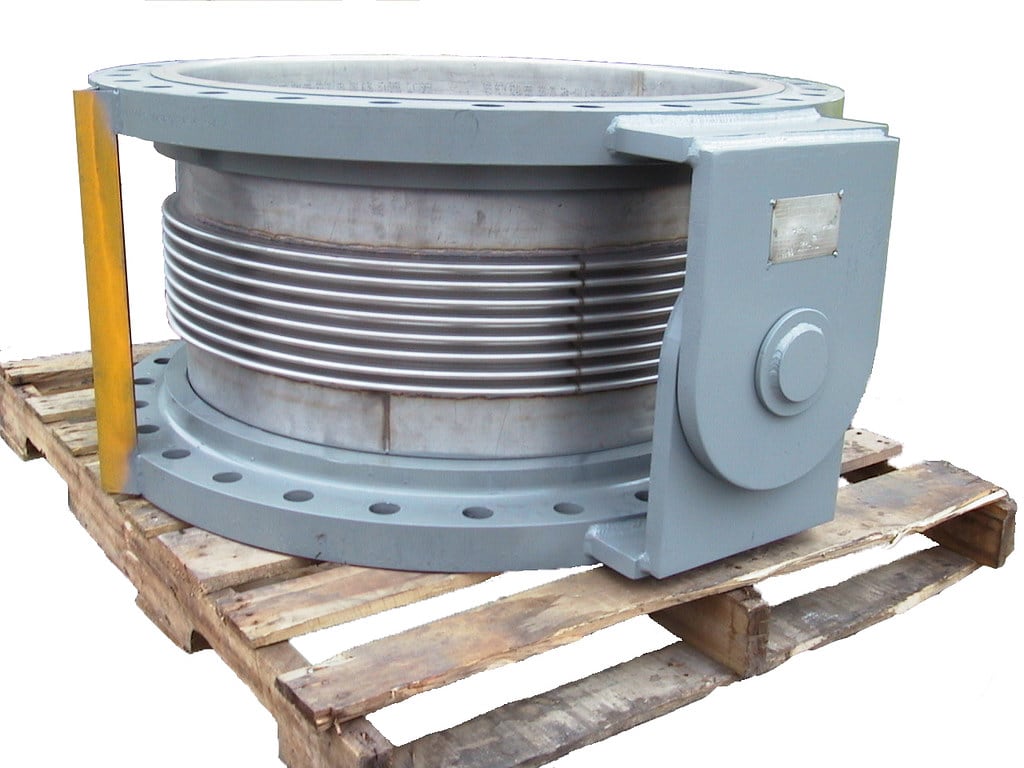
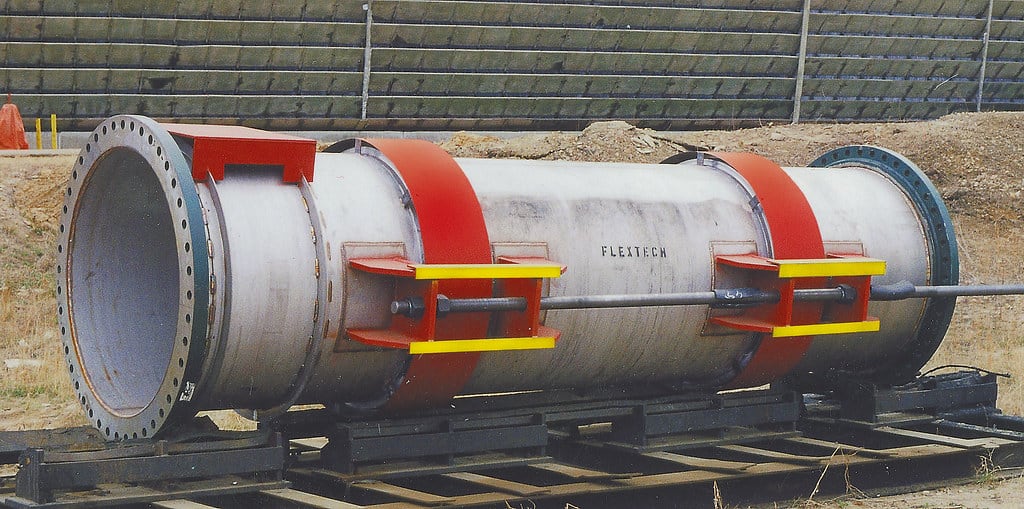
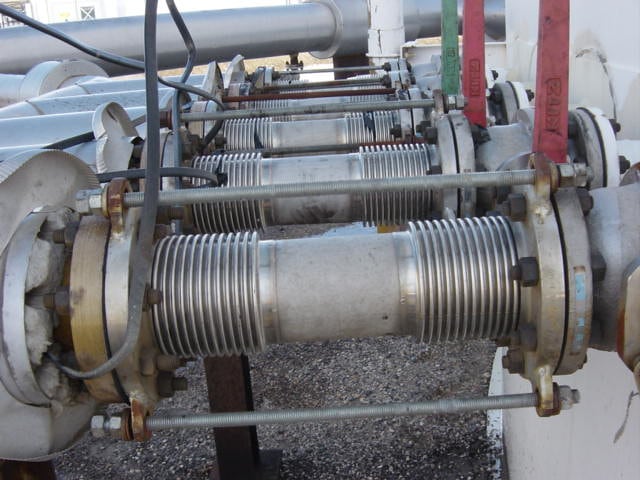
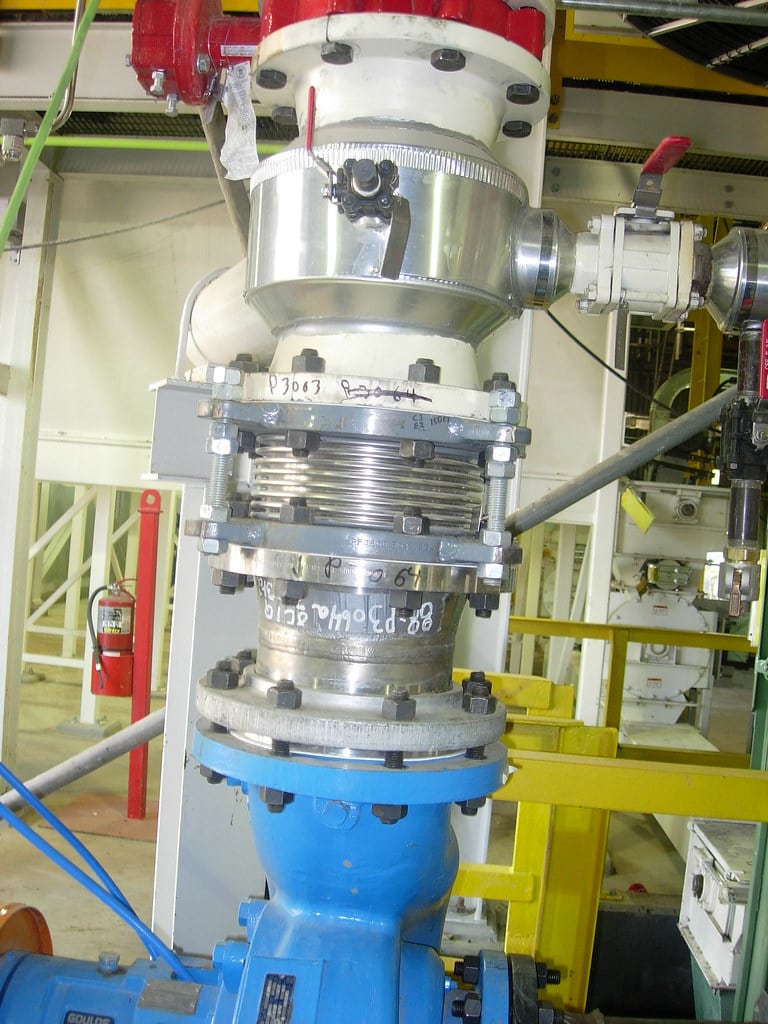
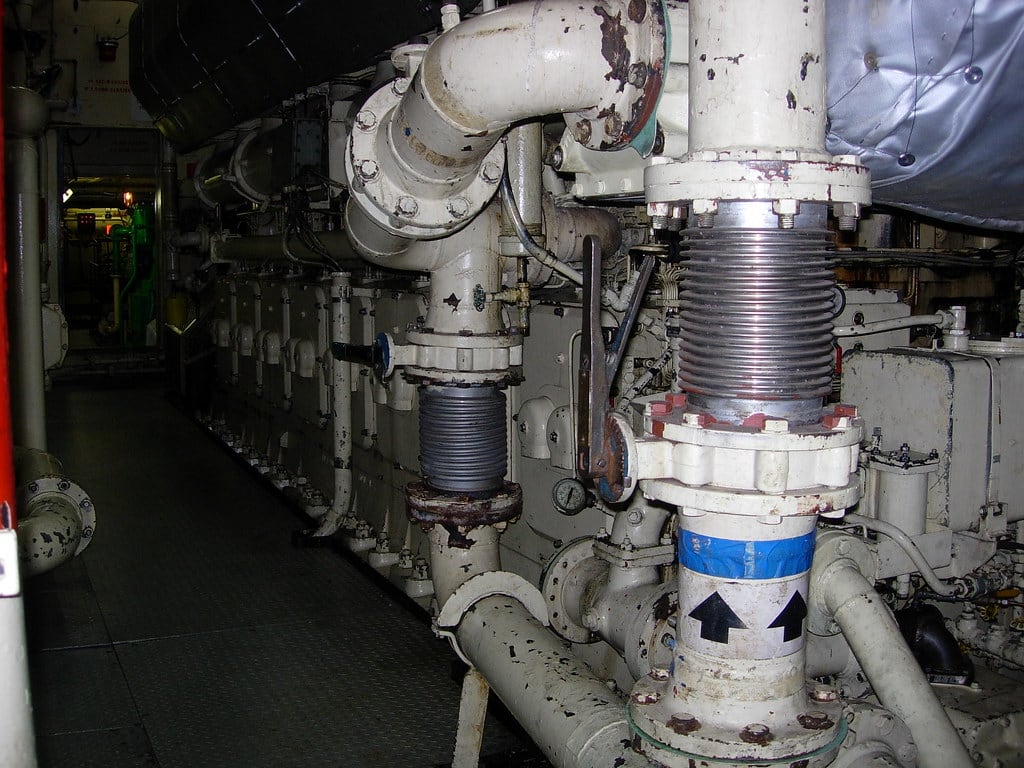
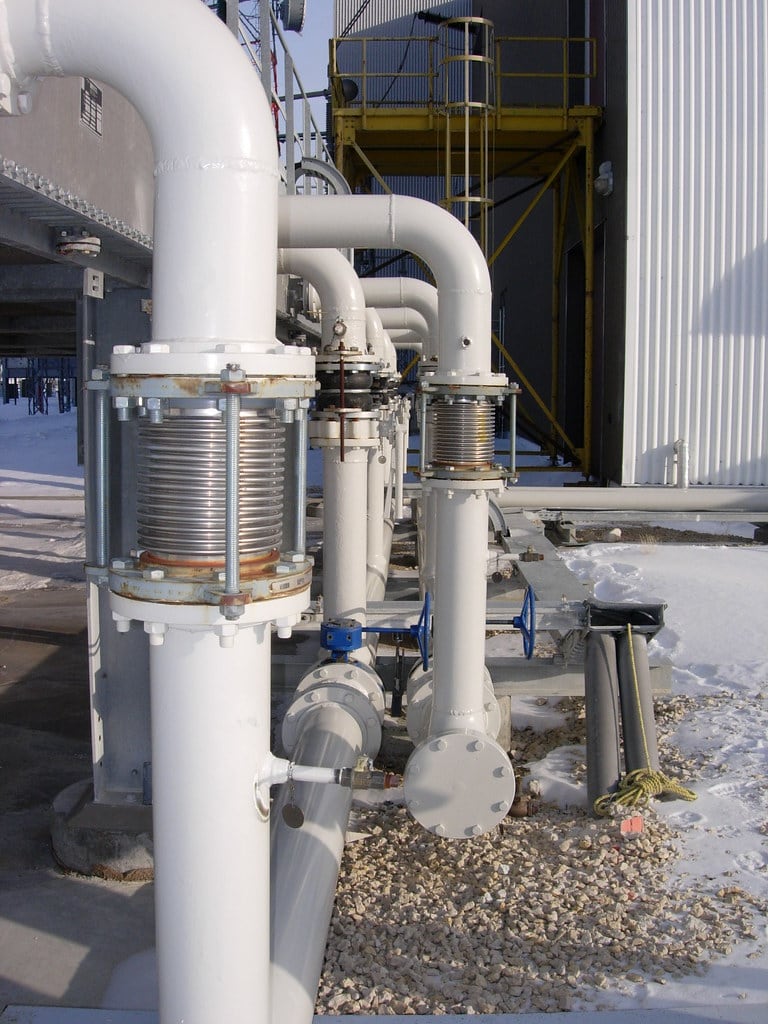
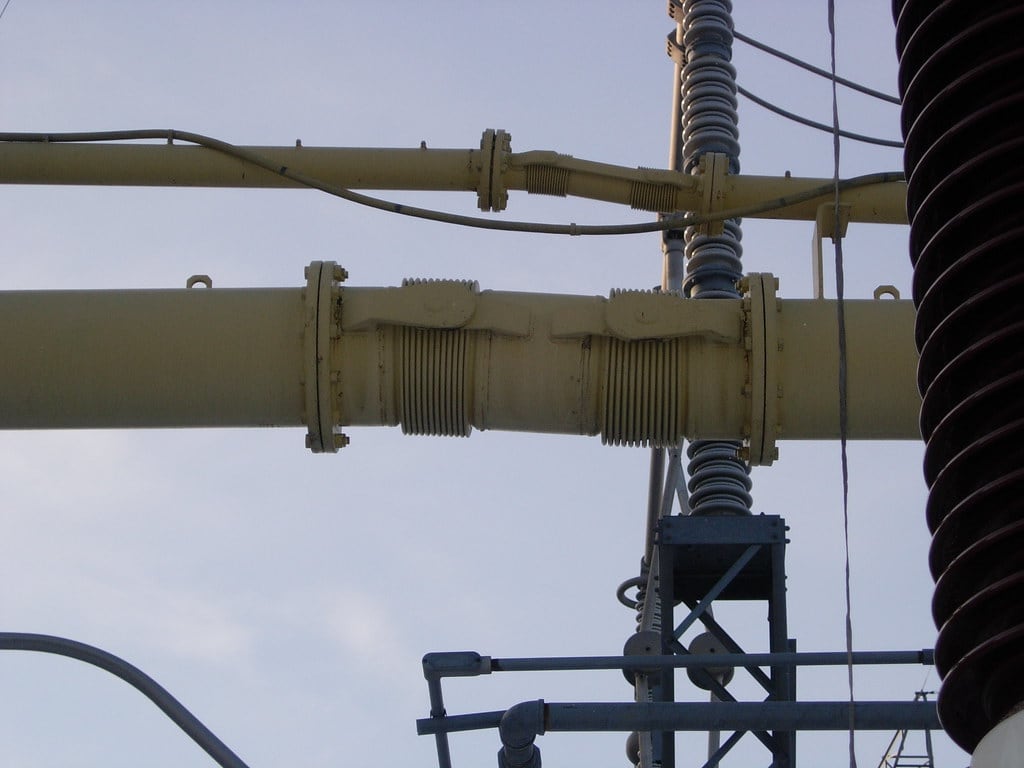
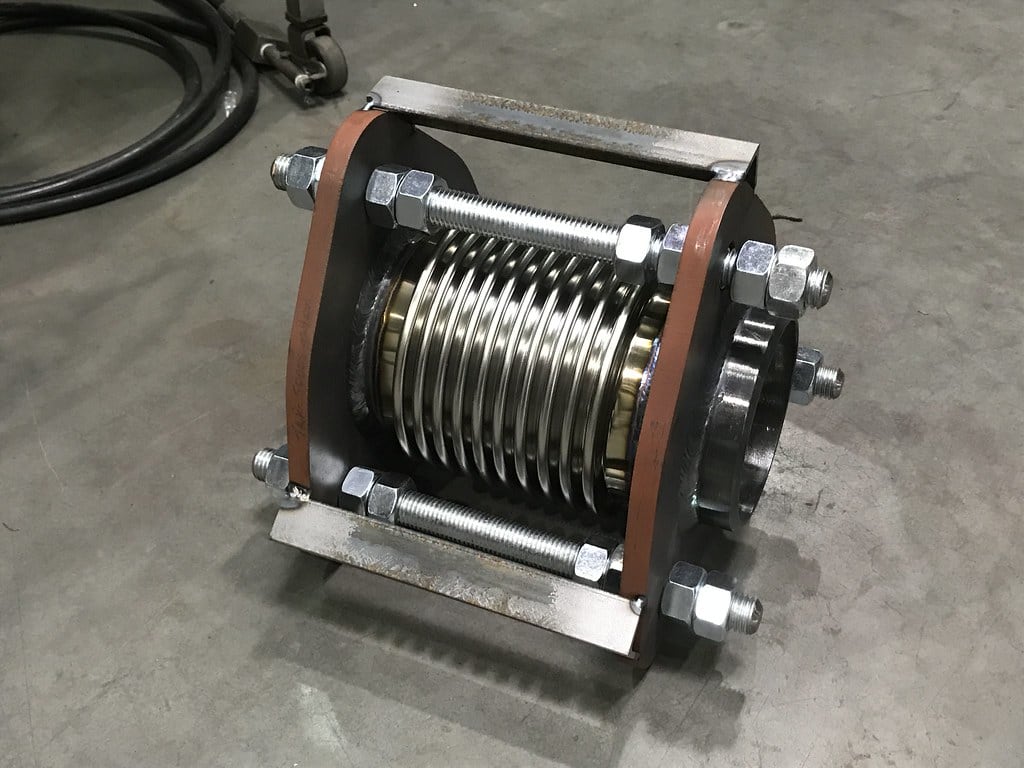
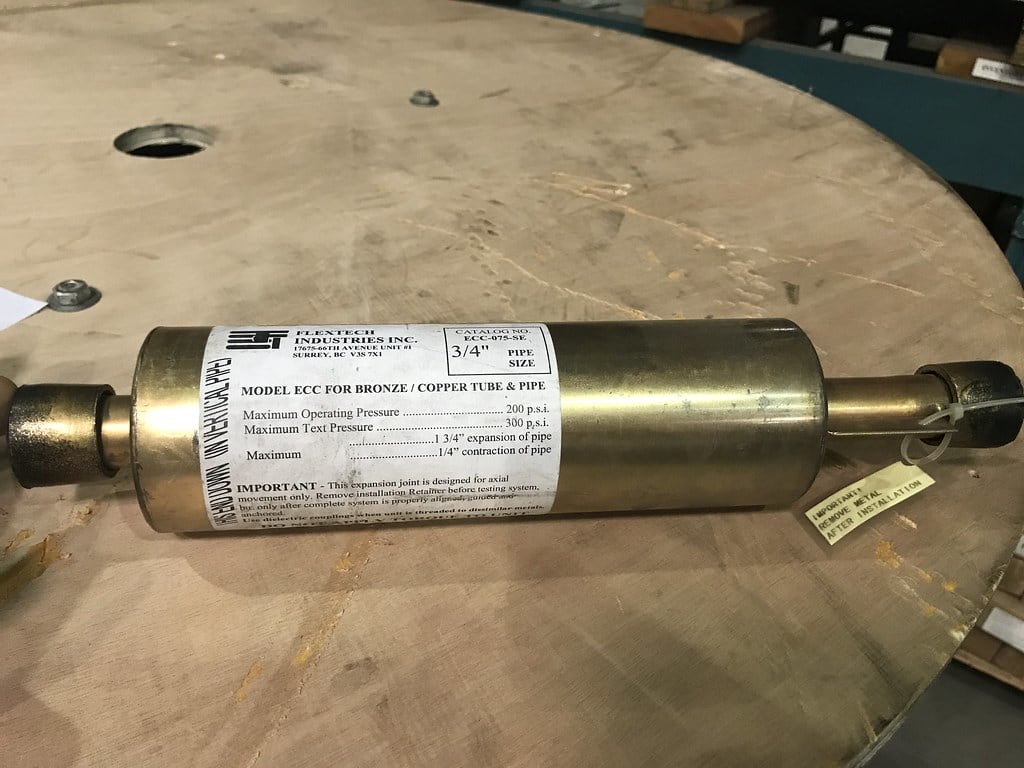
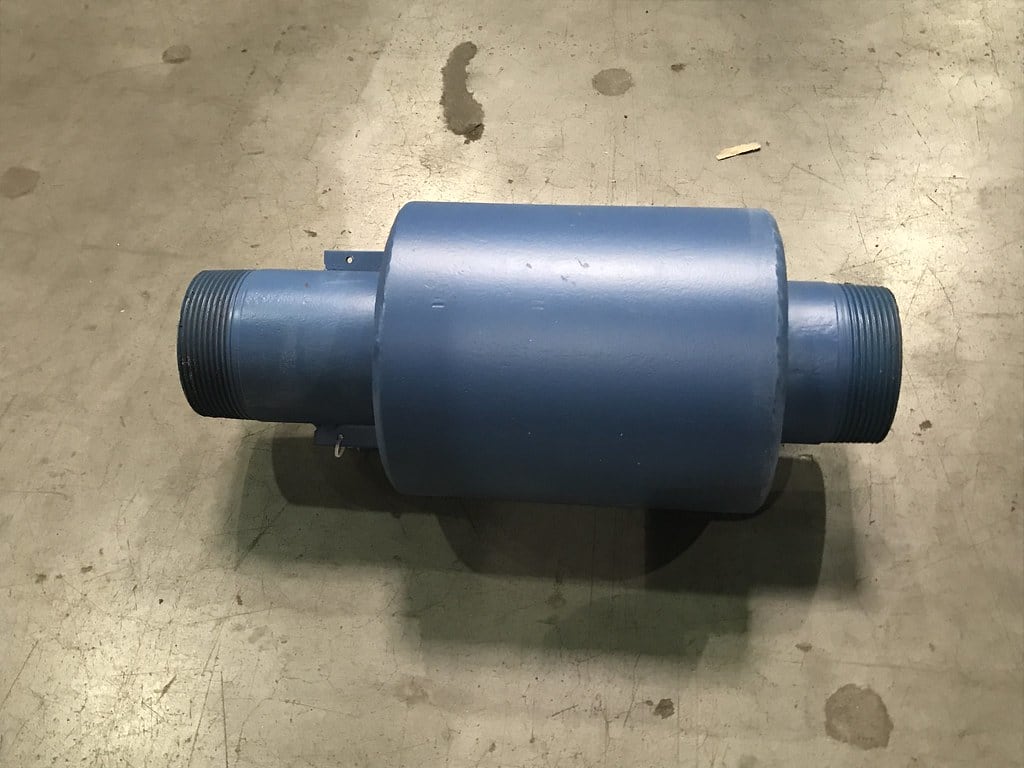
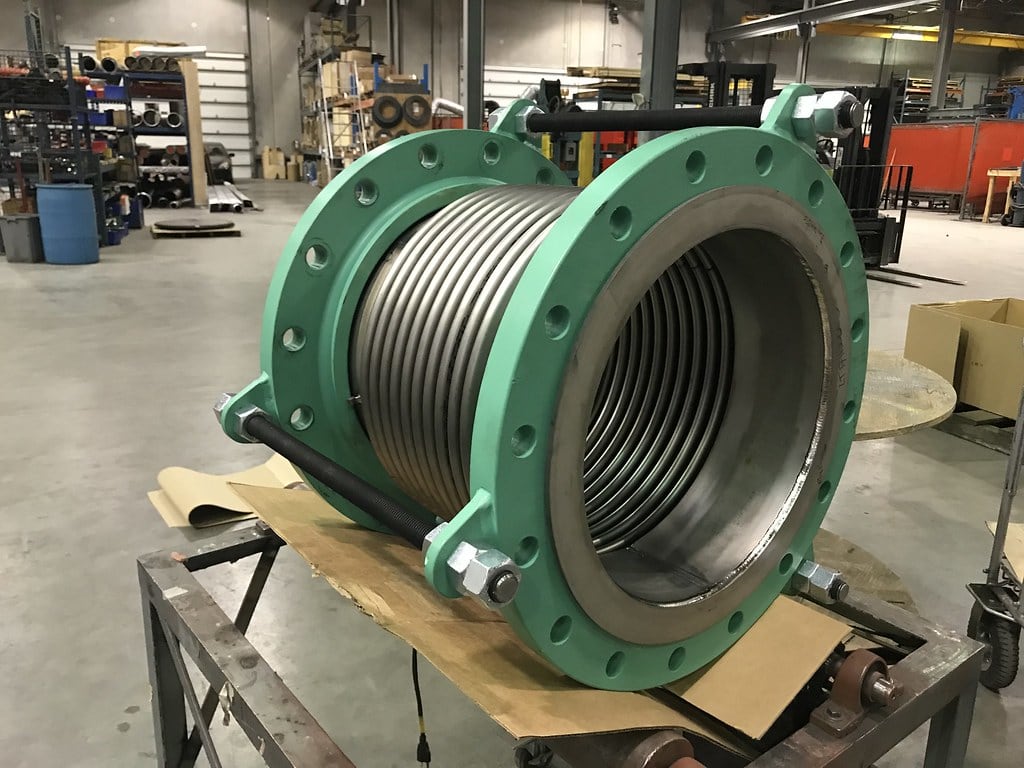
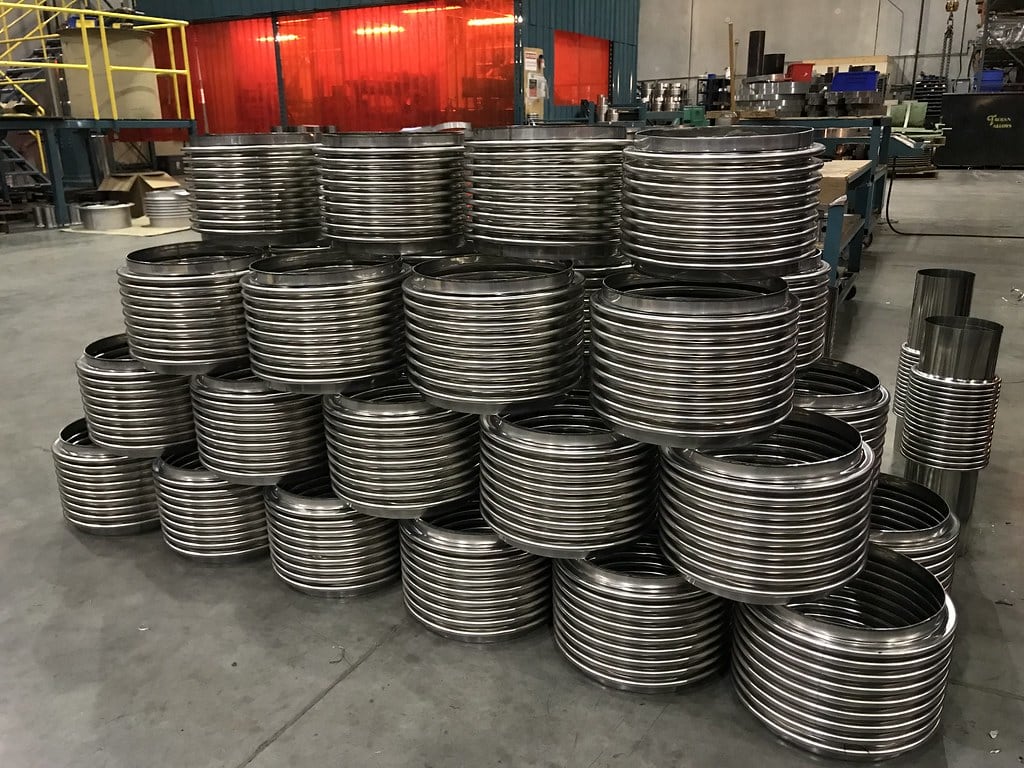
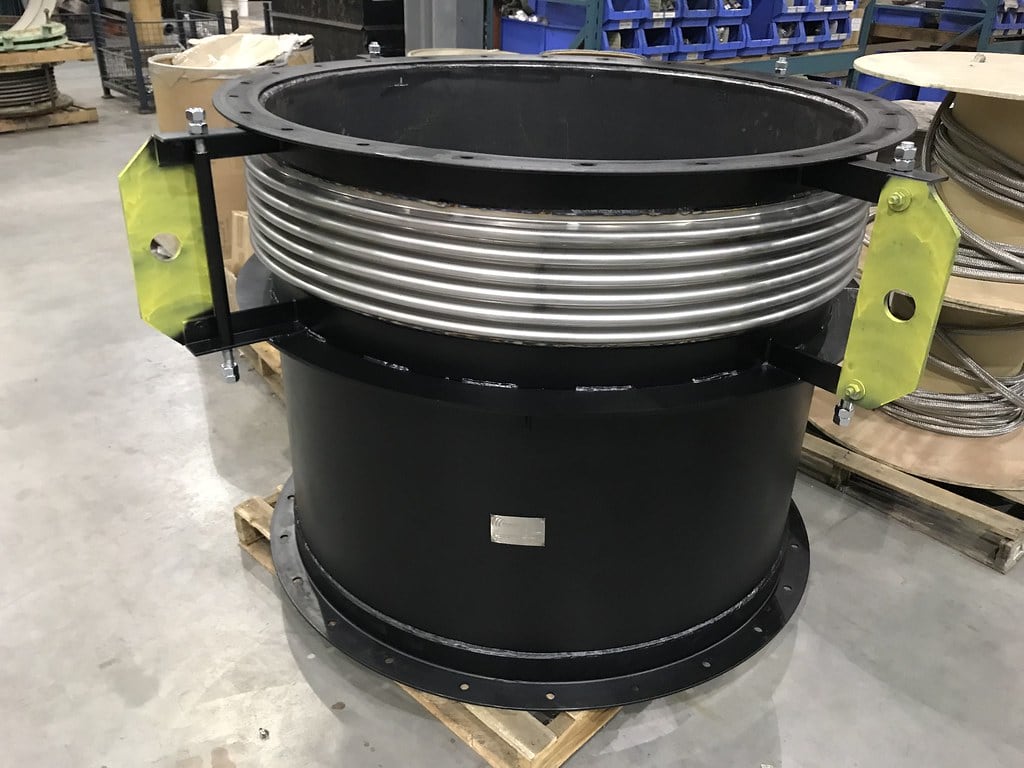
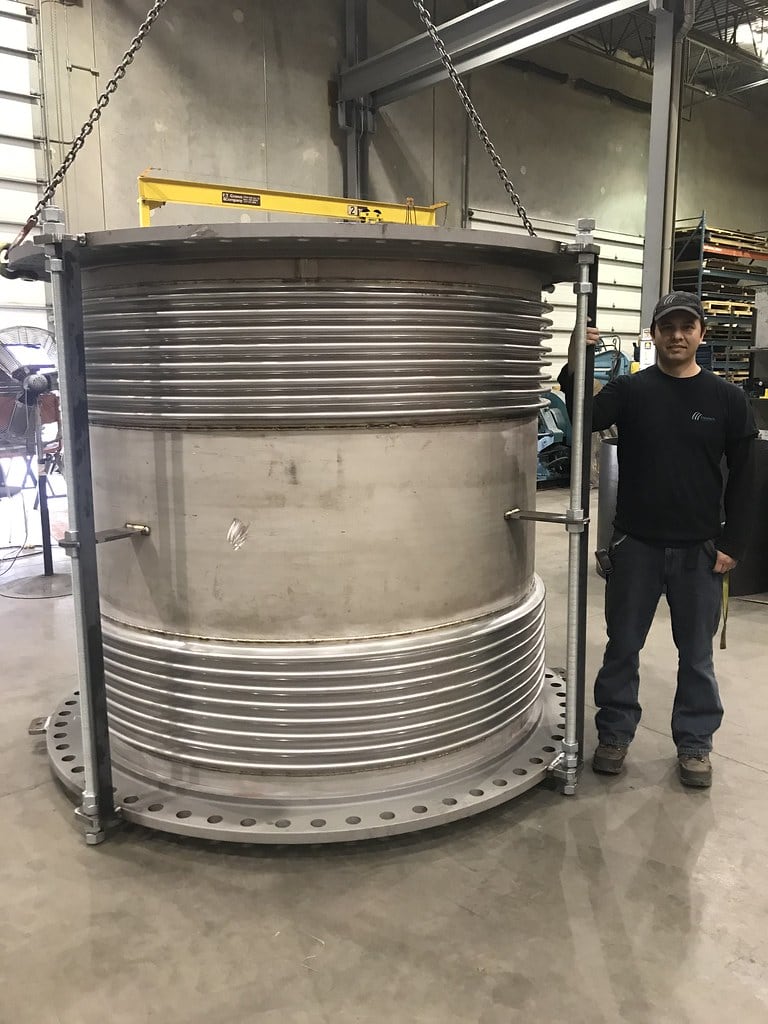
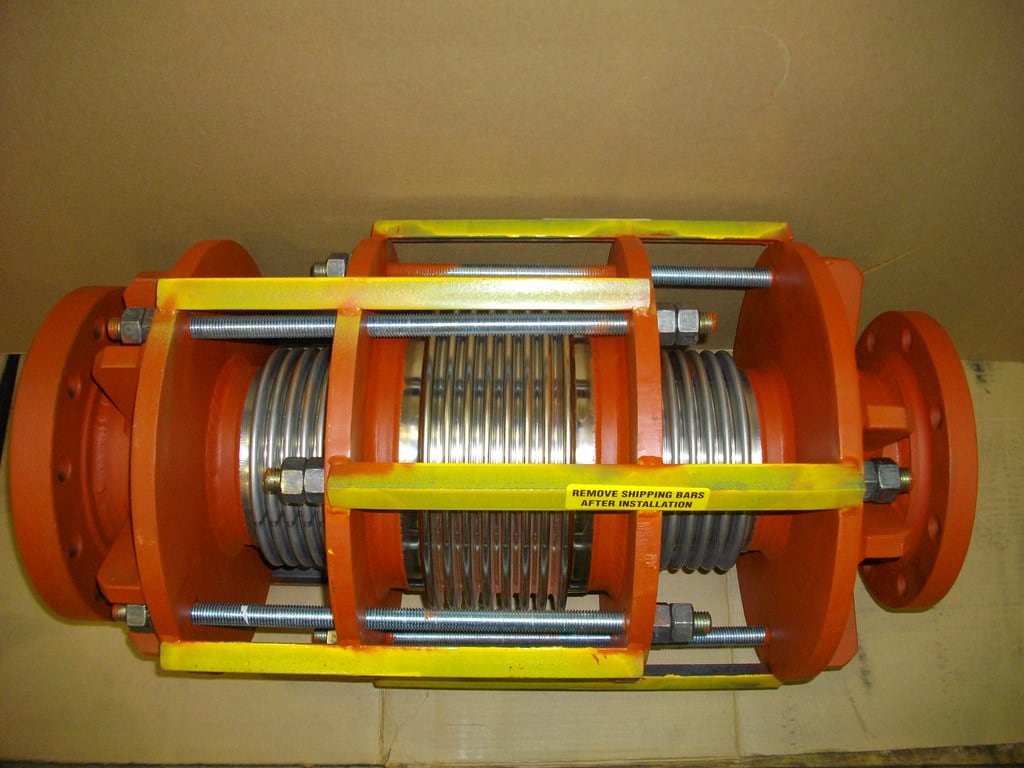
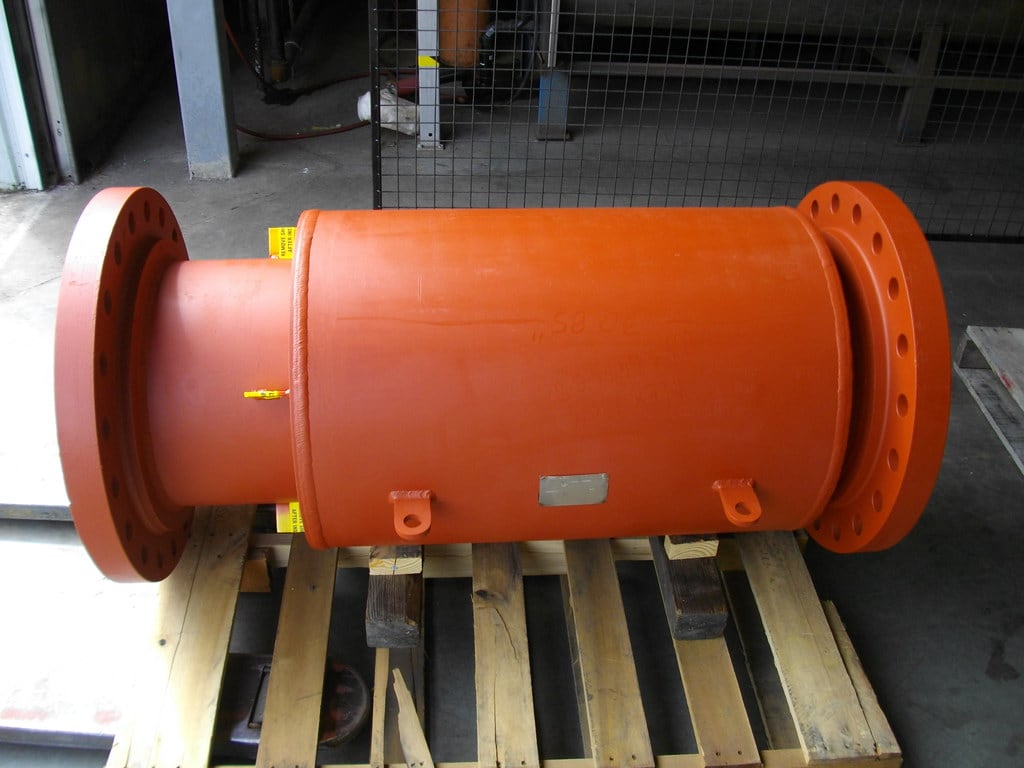
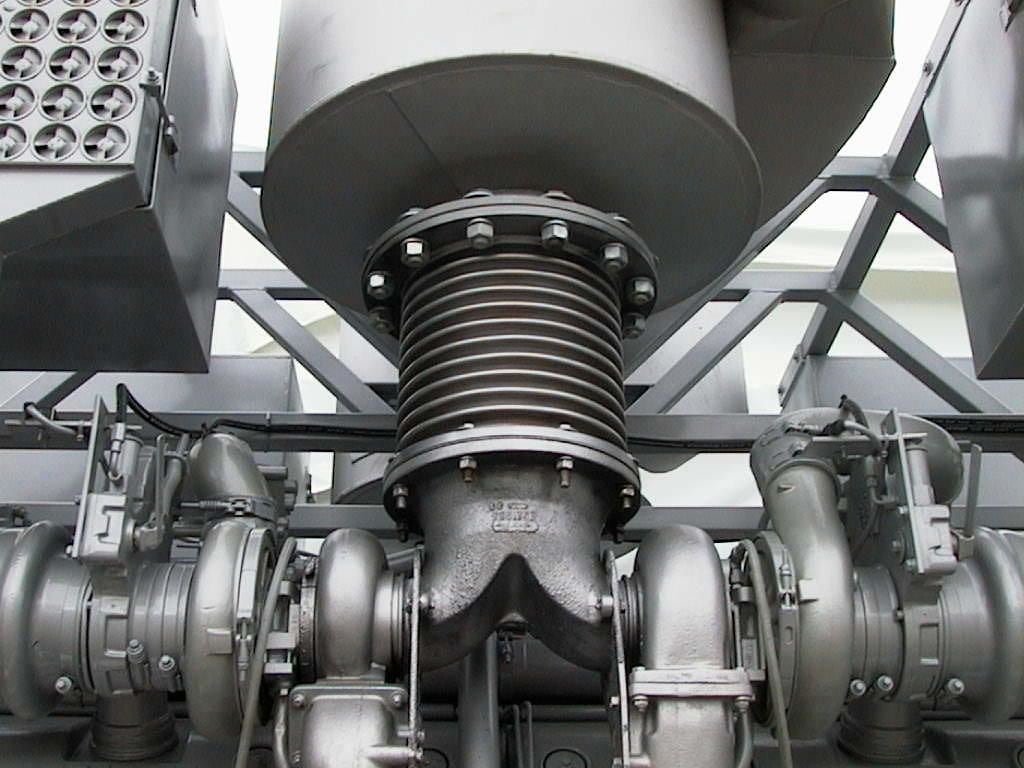
The standard choice for high-pressure, high-temperature piping. Metal bellows are fabricated from stainless steel and other alloys, flexing under load while maintaining a pressure-tight seal. At Flextech Industries, we manufacture these from 3/4" to 144" in diameter across a full range of configurations: single and dual bellows, universal, hinged and gimbal, pressure balanced, externally pressurized and ring-controlled expansion joints. Material selection is based on the chemical environment, temperature range, and pressure requirements of your system.
Best for: High-pressure liquid or gas lines, steam systems, boiler piping, compressor connections.
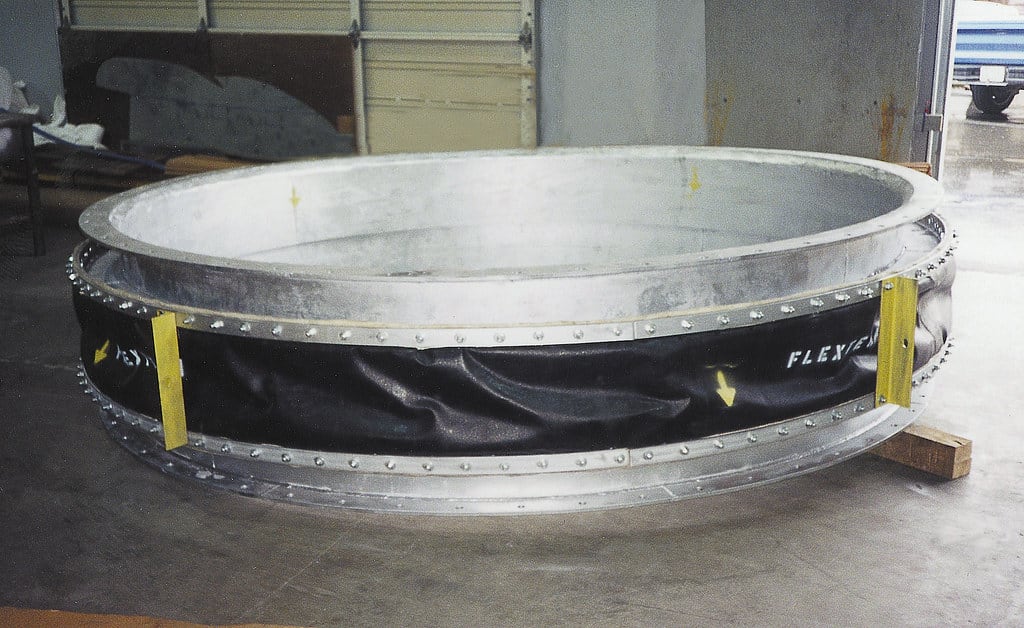
Metal BellowsFabric Expansion Joints

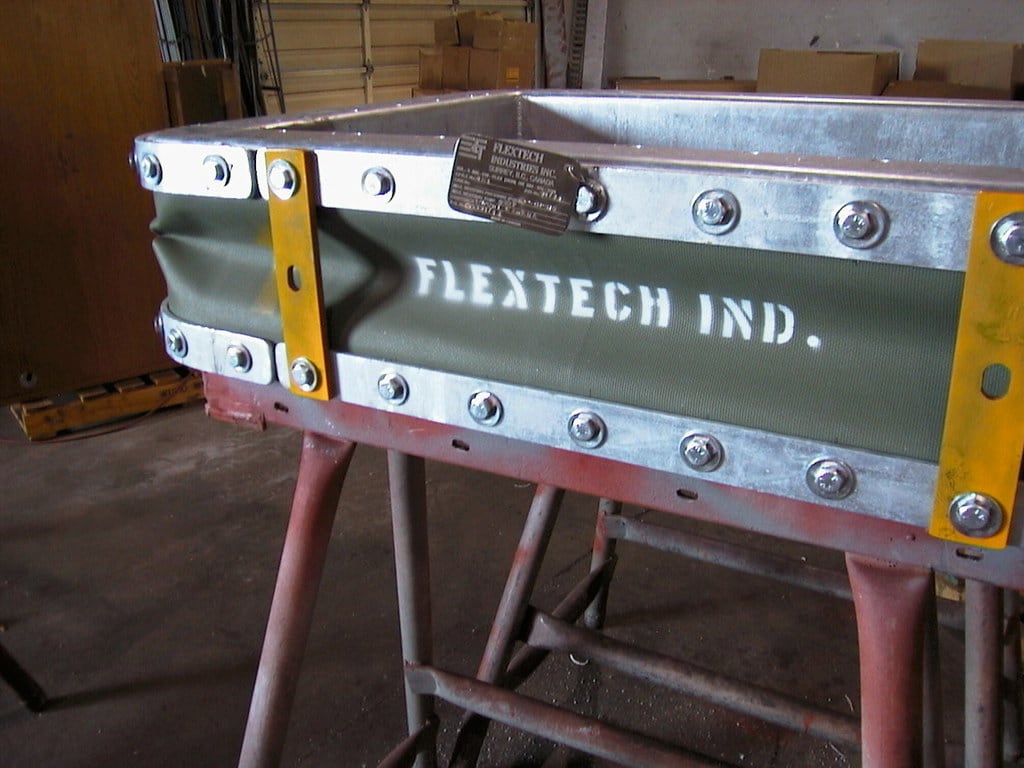
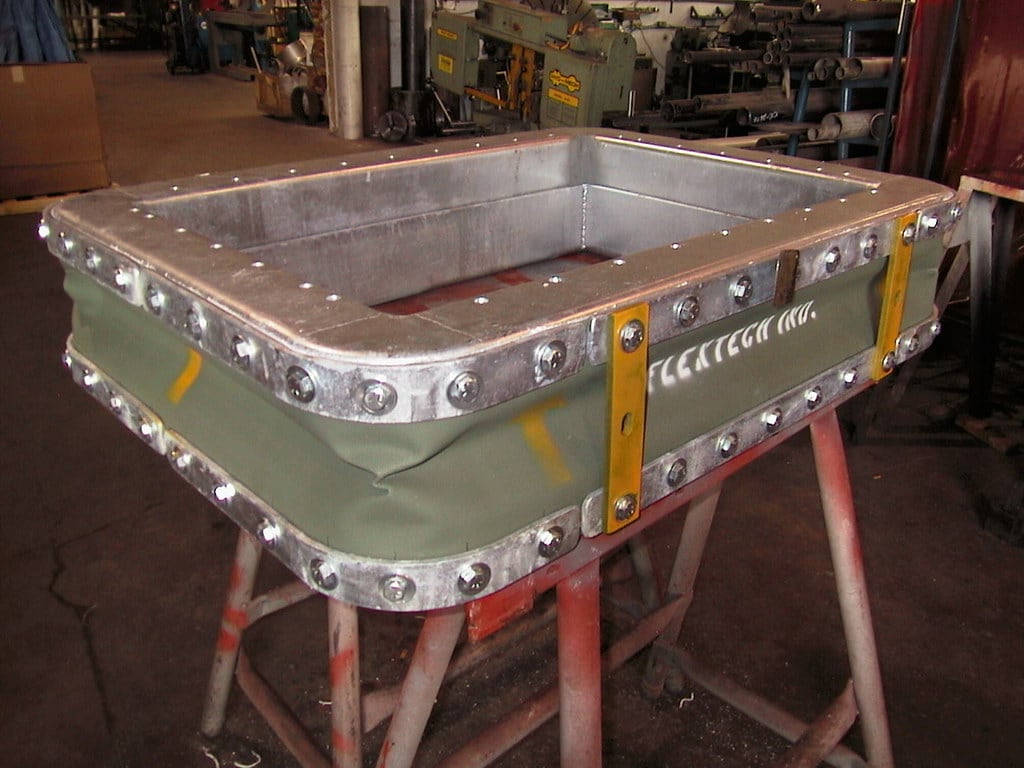
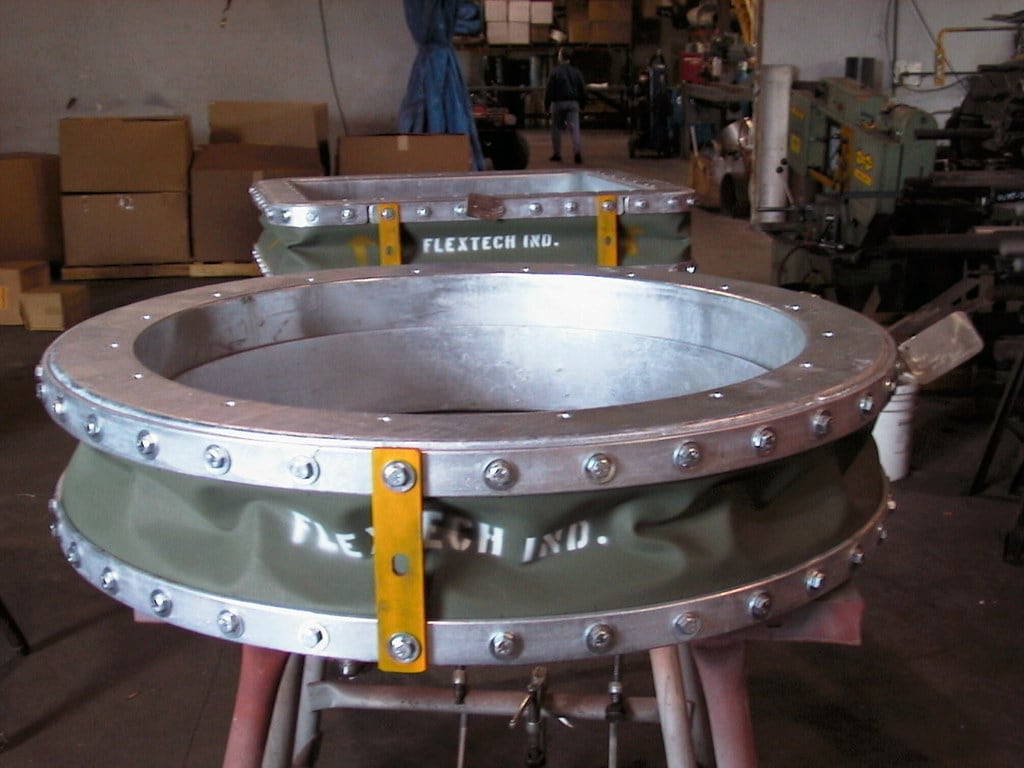
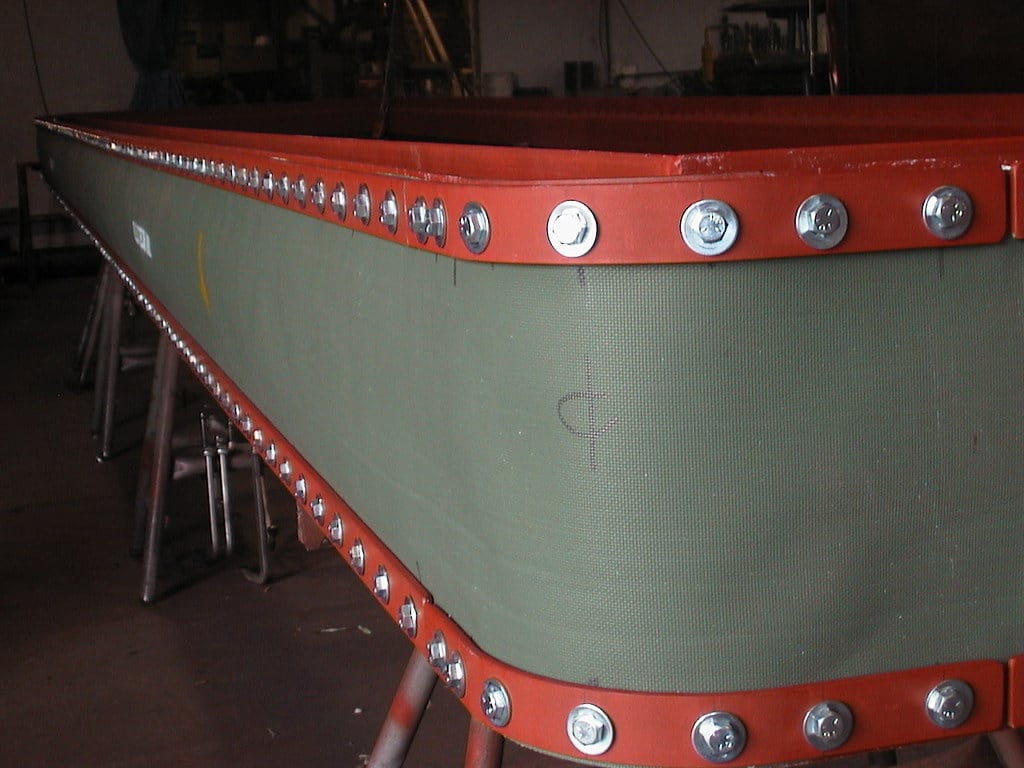
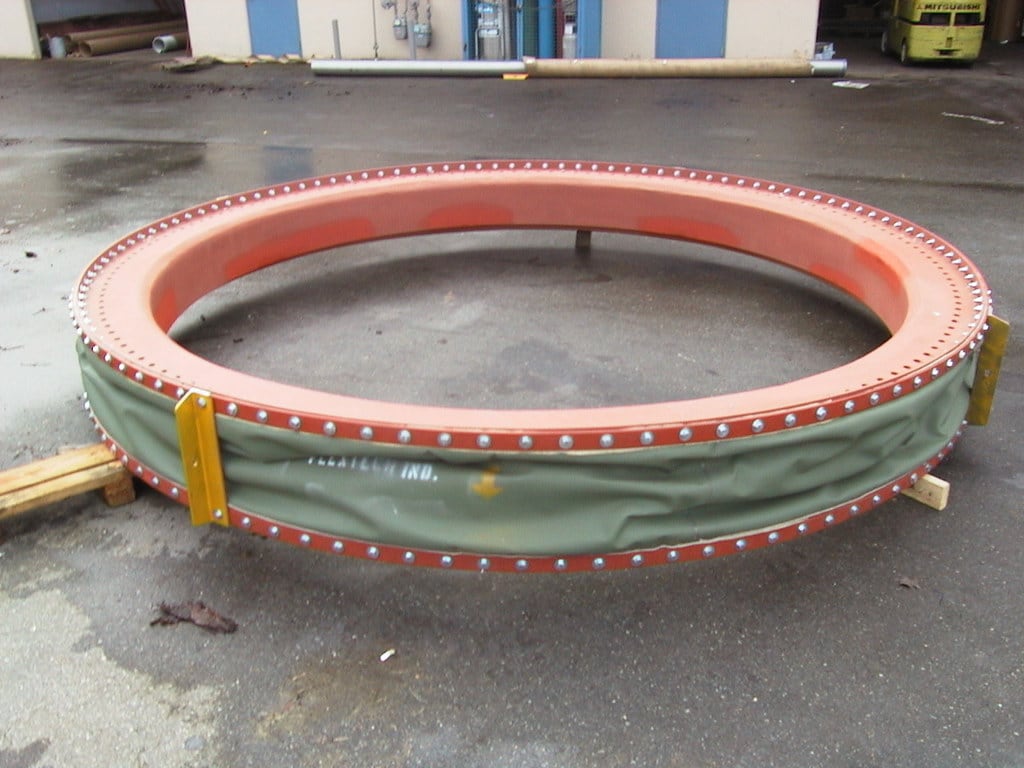
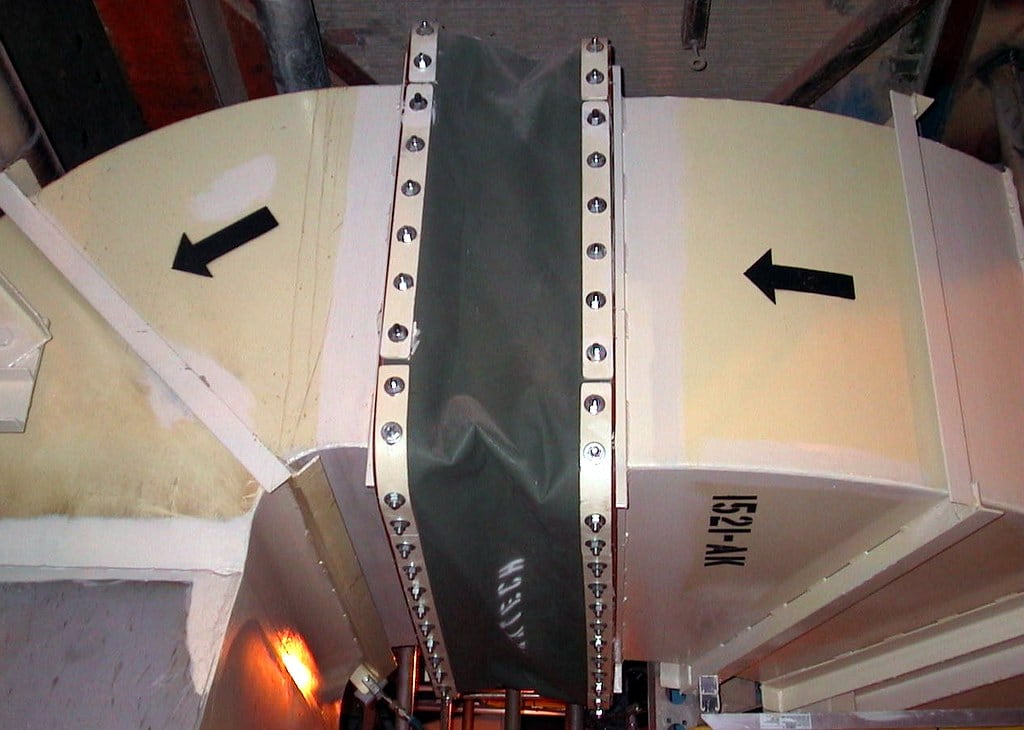
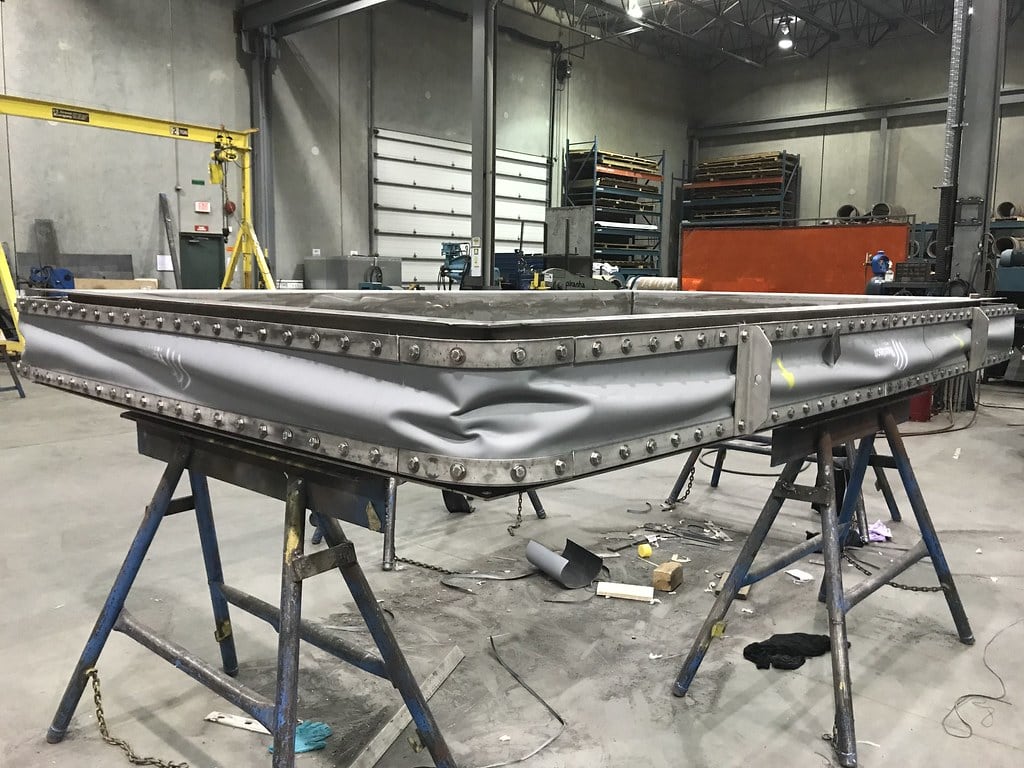
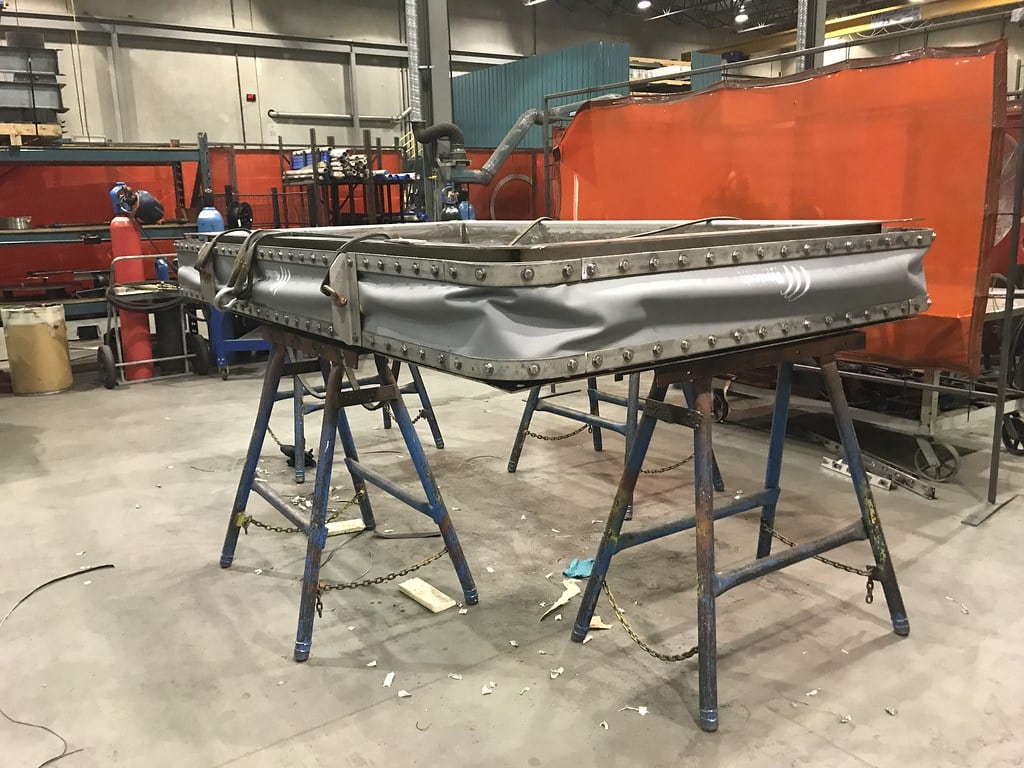
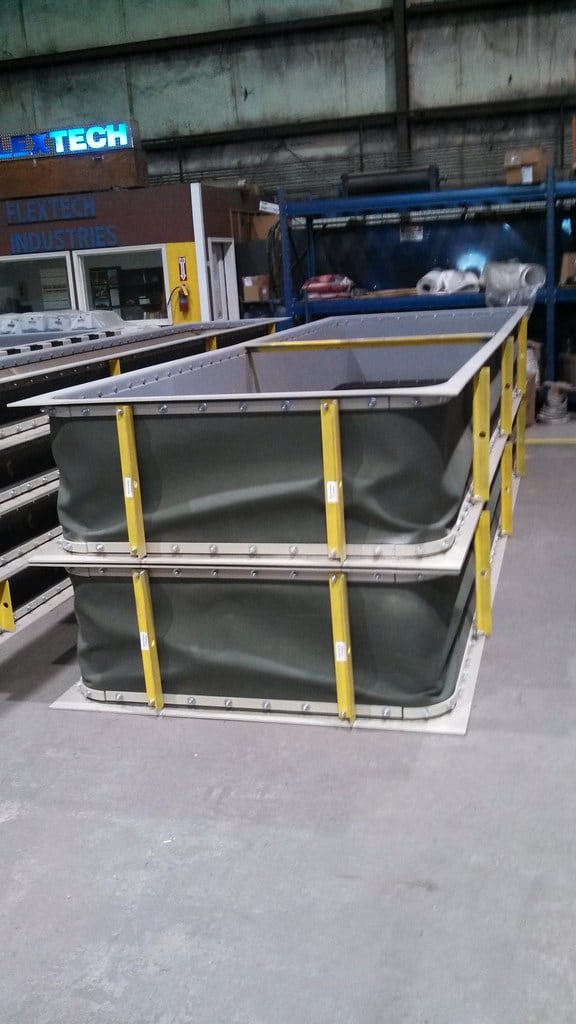
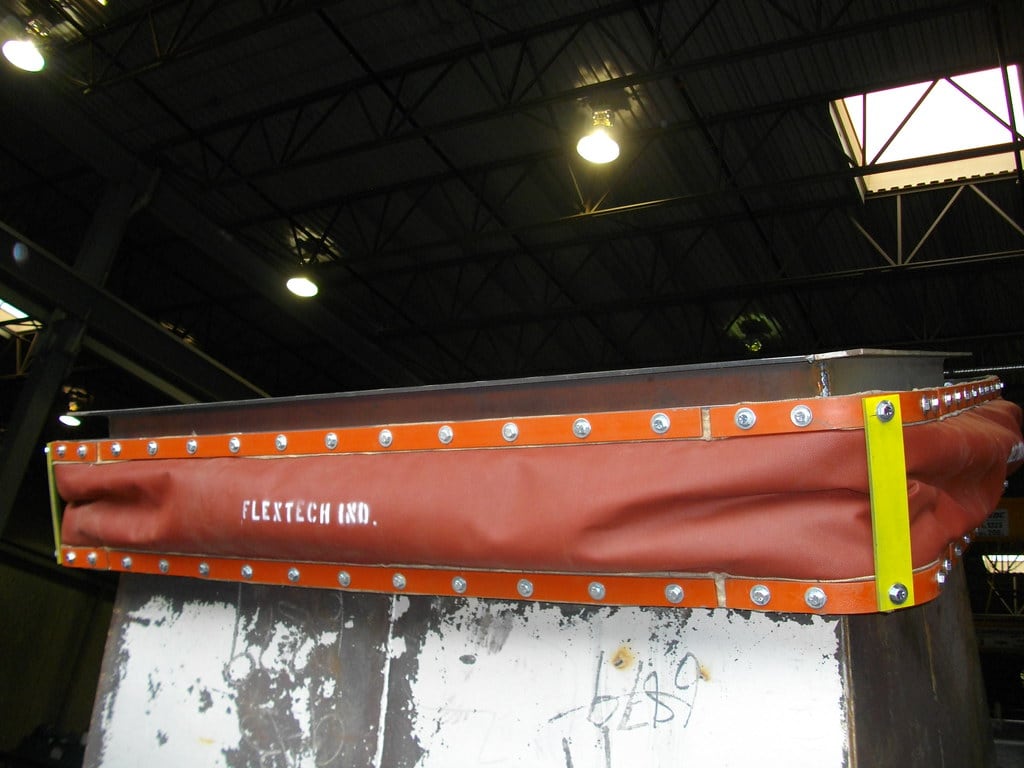
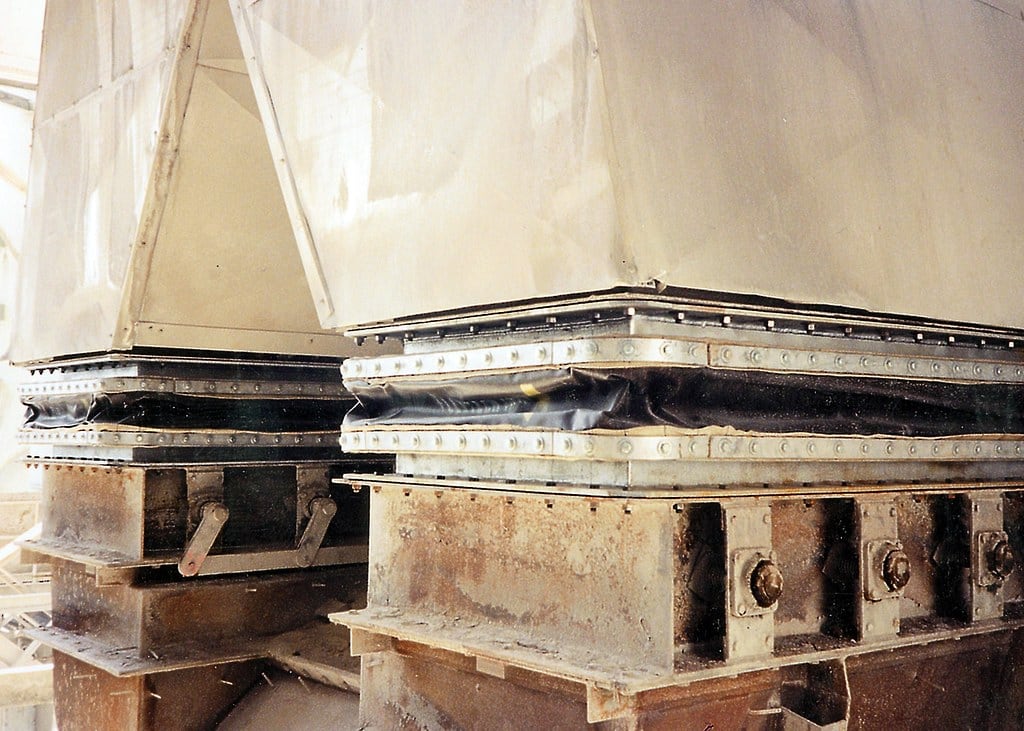
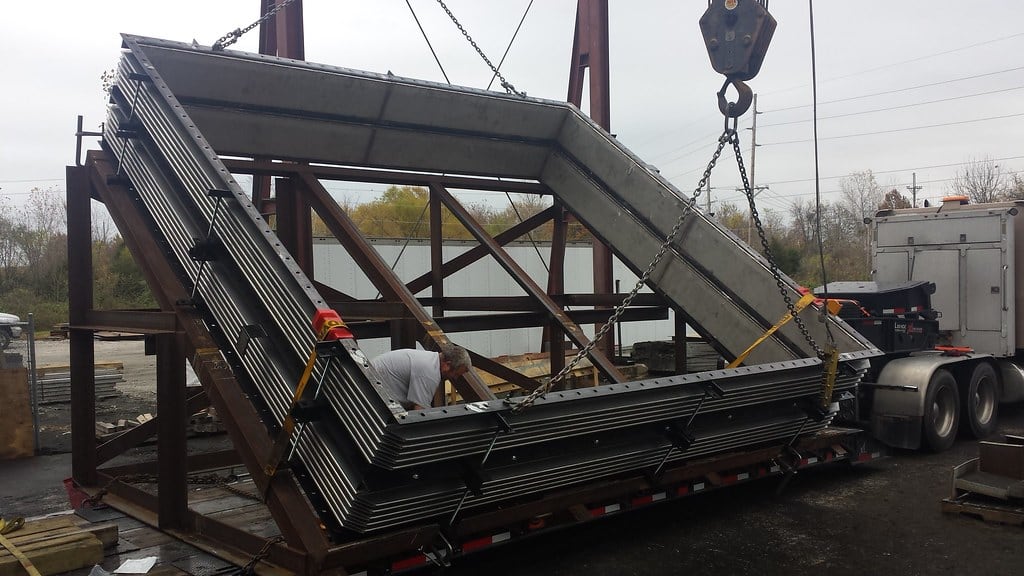
Fabric joints are built for low-pressure flue gas and air ductwork where large multi-directional movement and high temperatures are the main challenge. We supply three material series: FC Series fluoroplastic for high-temperature wet or dry service, FL Series fluoroplastic for severe chemical environments at low to medium temperatures, and M Series multi-layer fabric rated from 400°F up to 2000°F for flue gas and hot air applications.
Best for: Flue gas ductwork, gas turbine exhaust, power plant ducting, air handling systems.
Fabric JointsRubber Expansion Joints
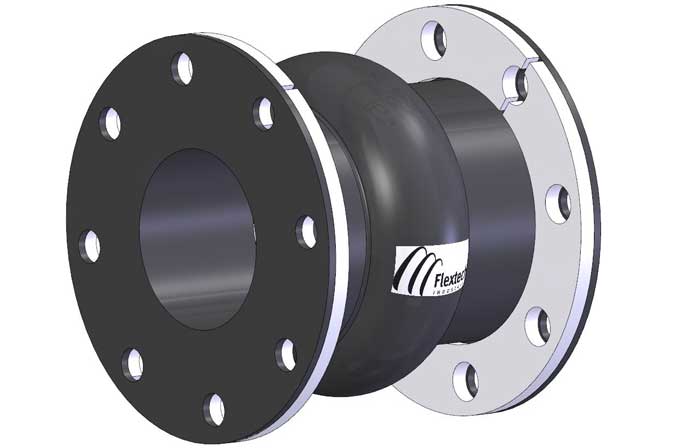
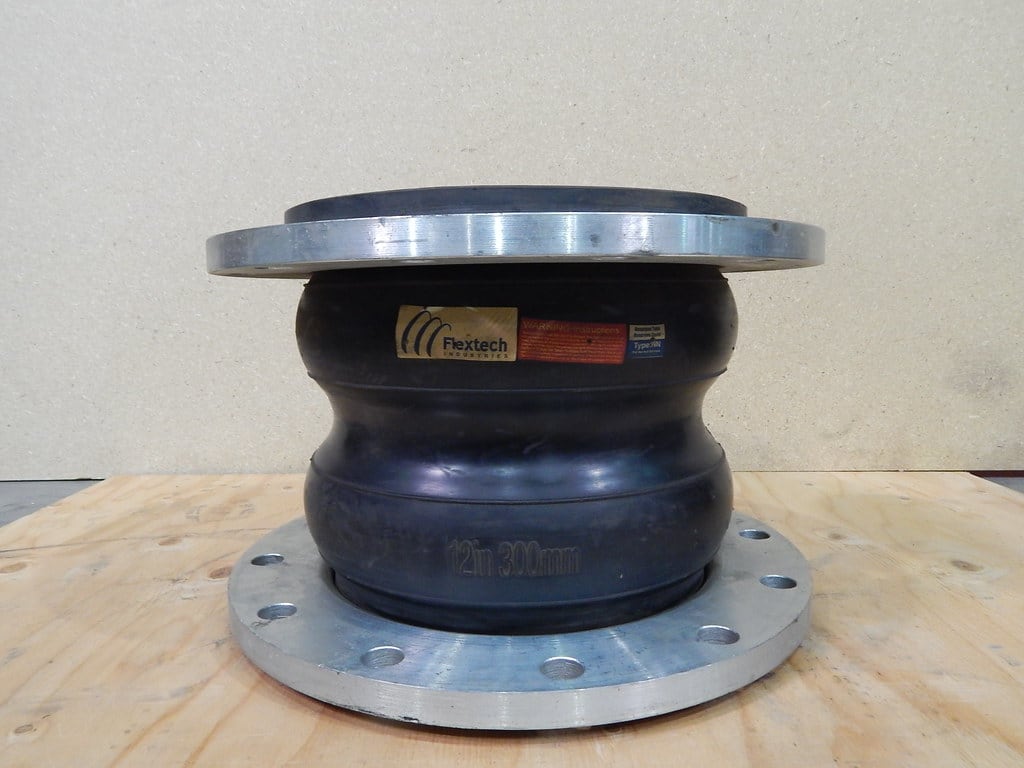
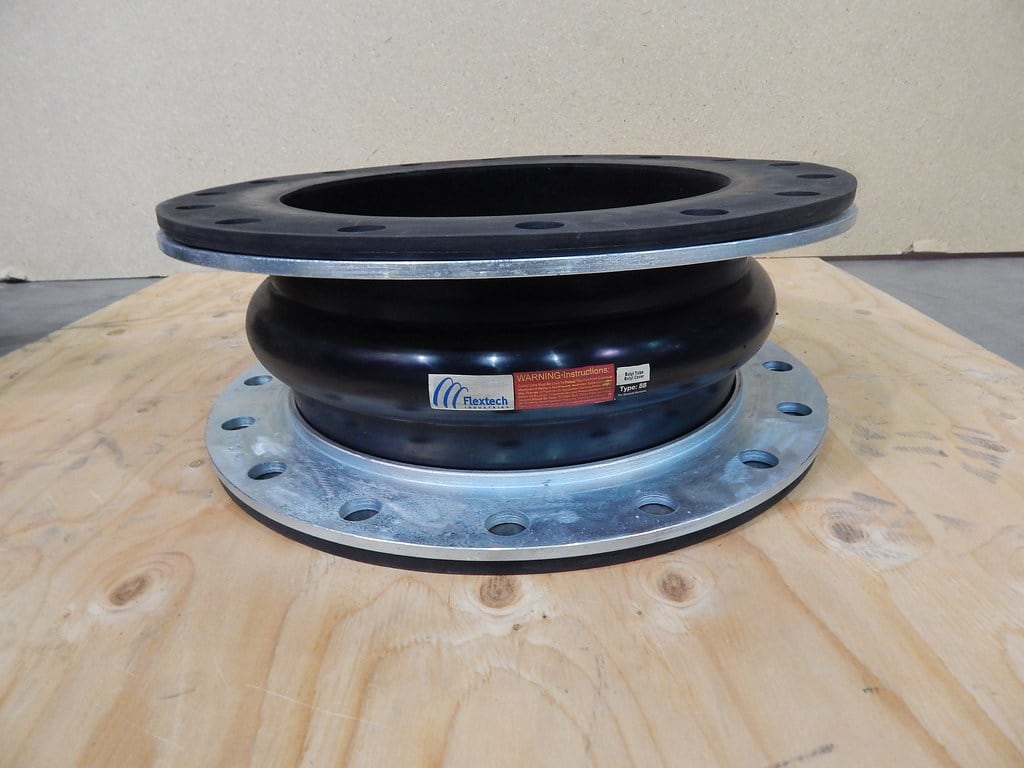
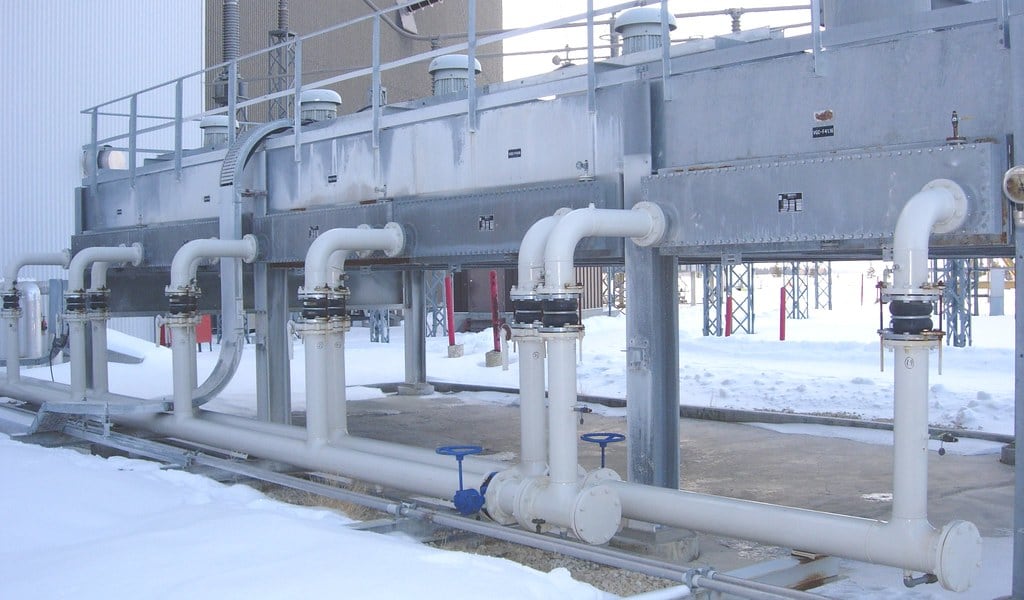
Rubber joints excel at isolating vibration and absorbing misalignment in liquid piping. Built from synthetic or natural elastomers including Neoprene, EPDM, Nitrile, Viton, and Hypalon, they are inherently corrosion resistant and handle movement in all directions with minimal force on the surrounding structure. They are available from 1" to 144" in configurations including spool type, wide arch, spherical, filled arch, concentric and eccentric reducers, sleeve type, and rubber/PTFE lined.
Best for: Water and wastewater systems, pump connections, HVAC chilled water, chemical transfer lines.
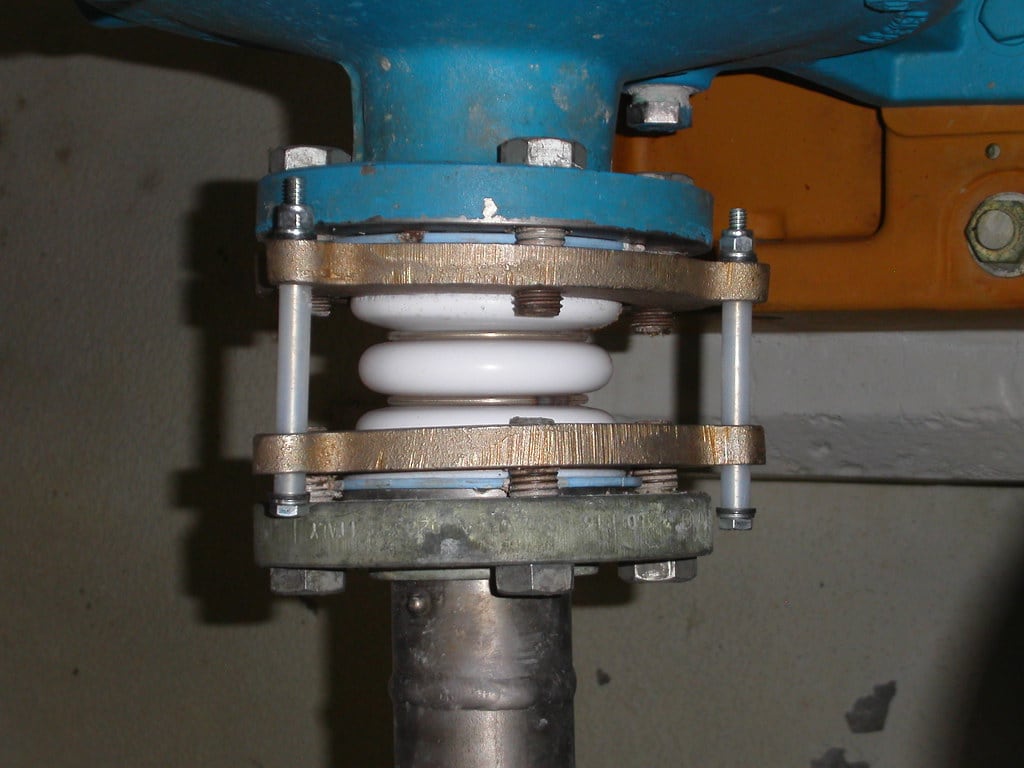
Rubber JointsPTFE Expansion Joints
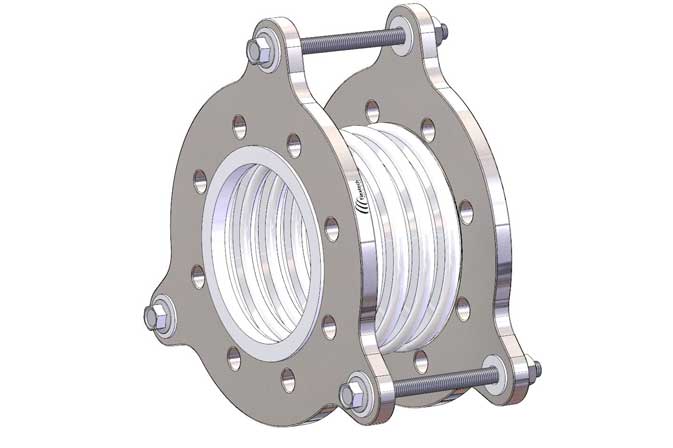
PTFE is chemically inert to virtually all aggressive substances, making PTFE expansion joints the right choice when the process fluid would attack any other lining material. We supply these from high-density PTFE for maximum corrosion resistance and low noise transmission.
Best for: Chemical and petrochemical processing, pharmaceutical systems, pulp and paper bleaching circuits, acid transfer piping.
PTFE JointsKey Features and Benefits
Absorbs Thermal Movement
Pipe expands and contracts with every heating and cooling cycle. Over a long run, the forces acting on flanges, anchors, and nozzles become significant. Expansion joints absorb that movement, keeping stress off the rest of the system.
Reduces Vibration and Noise
Rotating equipment like pumps and compressors generates vibration that travels through connected piping, fatiguing welds and creating noise. Expansion joints decouple vibrating equipment from the line, reducing both mechanical wear and noise transmission.
Compensates for Misalignment
Perfect pipe alignment is rarely achievable. Expansion joints bridge gaps and correct minor misalignment without forcing the surrounding structure to compensate, reducing installation stress and long-term fatigue.
Extends Equipment and System Life
Expansion joints are a comparatively low-cost component that prevents damage to high-value equipment. Managing movement at the joint level takes the load off flanges, nozzles, and welds, reducing unplanned maintenance and extending service intervals.
Industries and Applications
Our expansion joints are in service across a wide range of industries:
steam lines, boiler feed piping, flue gas ductwork, and turbine exhaust.
corrosive process lines, high-pressure reactor piping, and chemical transfer systems.
bleaching and chemical recovery circuits, steam systems, and condensate return lines..
chilled water, heating water, and steam distribution systems.
compressor stations, heat exchangers, and process facility piping.
gas handling, cooling systems, and high-temperature fume extraction.
pump stations, treatment facilities, and distribution system piping.